






 Italiano
 Français
 Español
 Deutsch
 AUD
AUD  BRL
BRL  CAD
CAD  CHF
CHF  CNY
CNY  GBP
GBP  INR
INR  JPY
JPY  KRW
KRW  RUB
RUB  THB
THB  USD
USD Pastry
The long tradition of pastry
Pastry has ancient roots: the first forms of sweets arose in the Mesopotamian and Egyptian civilizations, where honey, dried fruit, and coarse flours were combined to create energetic and ritual preparations.
The Greeks introduced slightly more refined techniques and were among the first to use honey as a true "structural" ingredient, while the Romans added eggs and new ways of baking dough, laying the foundations for what a few centuries later would become a distinct craft.
During the Middle Ages, pastry-making took a huge leap forward thanks to spices imported from the East: cinnamon, ginger, sweet pepper, and cloves began to characterize desserts that until then had been rather simple. The first pastry-making guilds appeared in Italian and French cities between the 14th and 15th centuries, with strict rules regarding the quality of raw materials, so much so that the craft was considered halfway between art and alchemical science.
The Renaissance brought an explosion of recipes and experimentation: cane sugar, almonds, cocoa, and new baking techniques gave European desserts a distinct identity. The real turning point, however, came between the 18th and 19th centuries, when many of the preparations we now consider "classics" were born: cream puffs, puff pastry, sponge cake, meringue, croissants, and whipped cakes. It was also the era when the first professional equipment began to become widespread, the distant ancestors of modern machines.
Finally, with the Industrial Revolution, pastry making became increasingly technical: mechanical mixers, more precise ovens, and measuring instruments allowed for more consistent quality and larger production. Today, tradition and technology coexist: on the one hand, centuries-old recipes remain the same, on the other, laboratories use increasingly specialized machinery to ensure high standards, food safety, and production capacity. It is precisely this union between craftsmanship and innovation that makes pastry making a vibrant and constantly evolving sector.
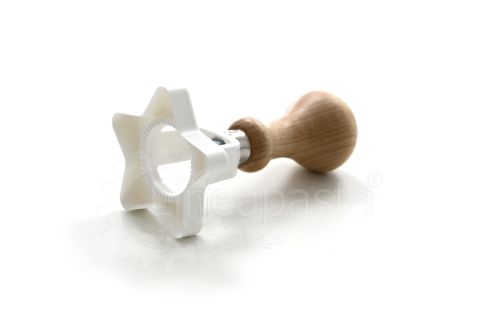
The adoption of specific machines (from mixers to sheeters, from biscuit presses to cream puff dispensers) allows for standardization of size, weight, and finish, reducing waste and enabling both artisanal and industrial-scale production. The choice of equipment therefore depends not only on the final product but also on the production scale: a boutique pastry shop seeks flexibility and finish, while a large-scale retail outlet prioritizes yield and consistency.
Many pastry machines are direct evolutions of equipment developed in other industries (bakery, catering) and have been adapted to handle doughs richer in butter or with more delicate consistencies, such as shortcrust pastry, puff pastry, or whipped dough.
Sheeters and lamination - what they are and how to use them
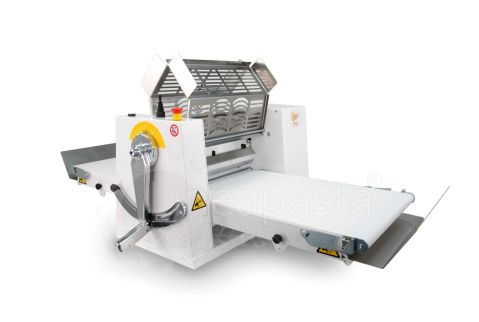
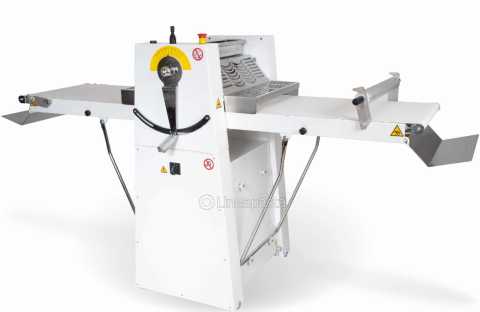
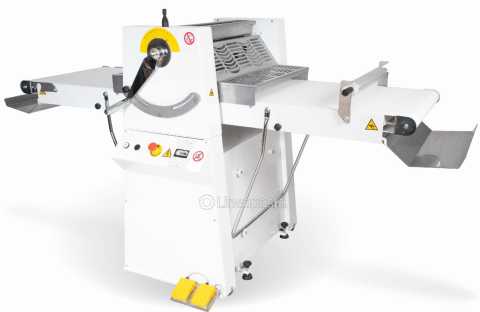
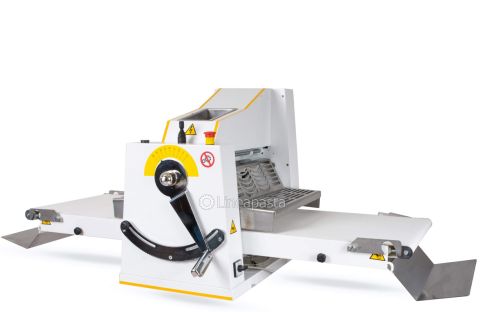
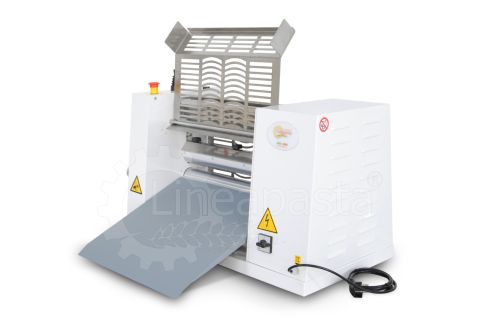
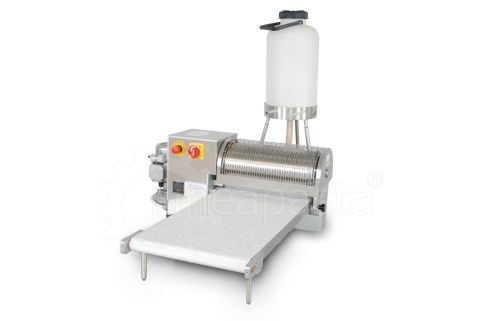
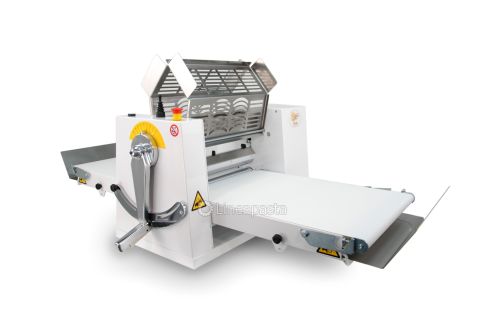
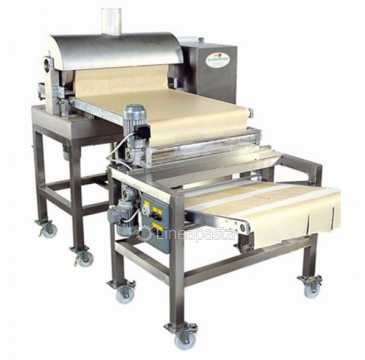
Among pastry equipment, sheeters play a key role when working with delicate doughs such as puff pastry, phyllo pastry, or certain shortcrust pastries that require portioning. A sheeter is designed to progressively reduce the dough thickness by combining adjustable rollers; some models are equipped with conveyor belts and joystick systems for controlling speed and working length, while others favor compactness for workshops with limited space. Proper use requires attention to the minimum thickness (some doughs cannot withstand excessive lamination), proper lubrication at the mechanical points indicated by the manufacturer, and thorough cleaning to avoid contamination by butter or sugar. Lineapasta offers versions with cylinders of various widths and with or without conveyor belts, designed for pastry shops, restaurants, and bakeries.
Mixers: spiral vs. planetary - practical differences
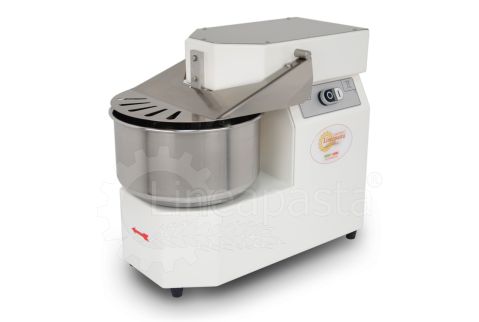
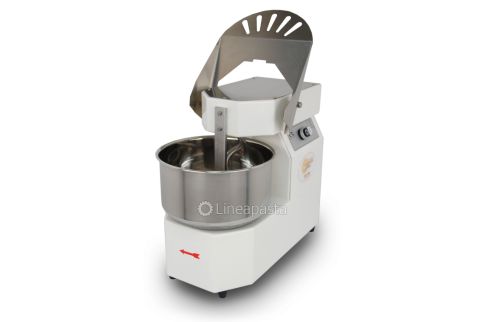
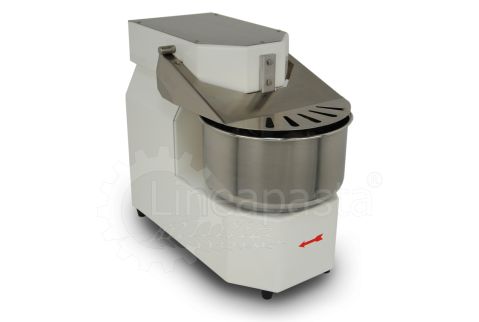
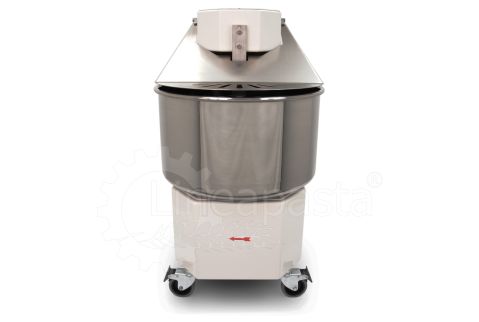
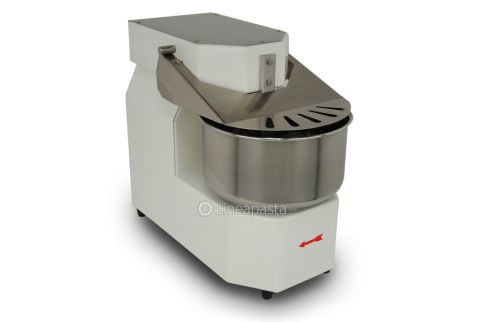
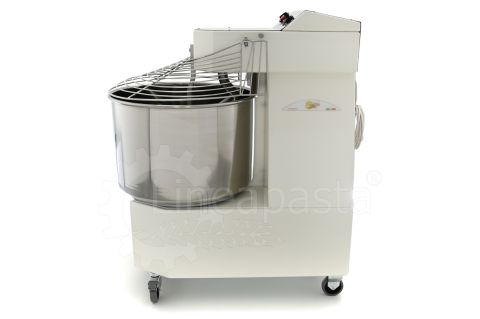
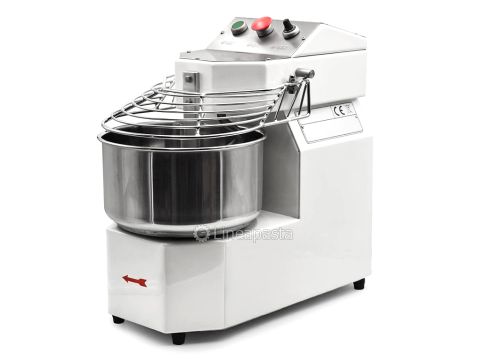
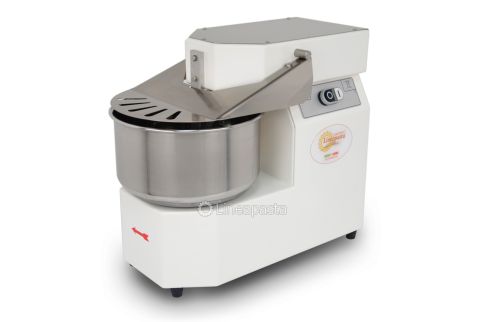
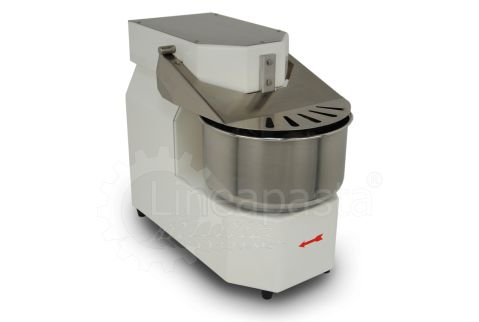
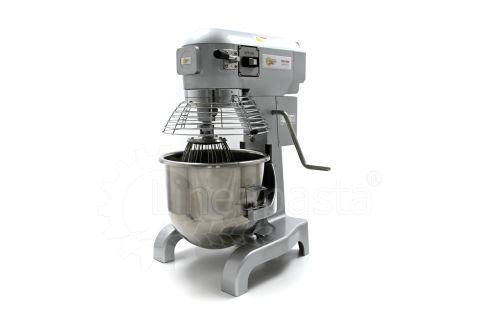
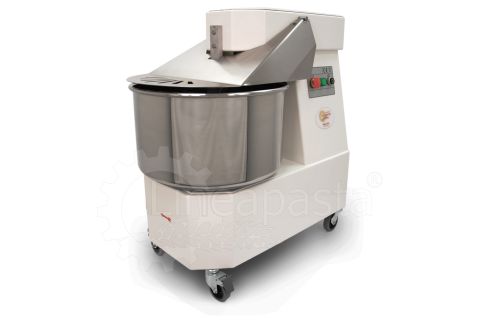
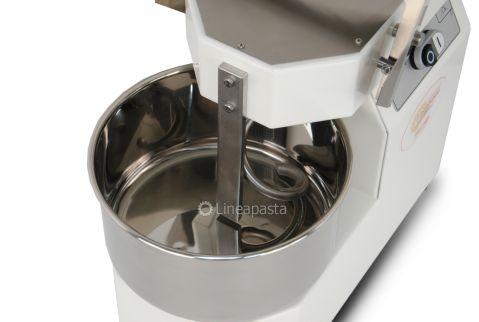
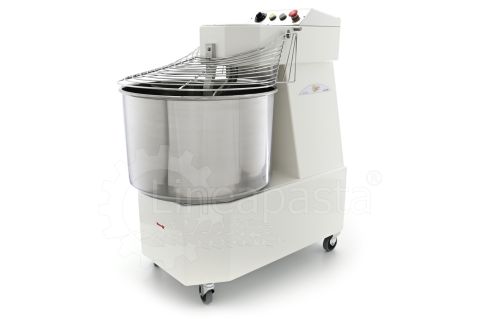
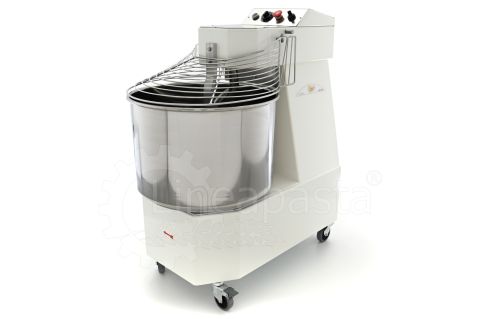
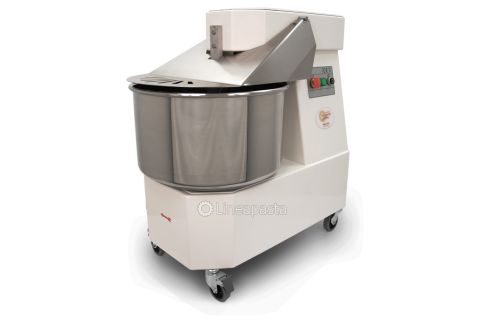
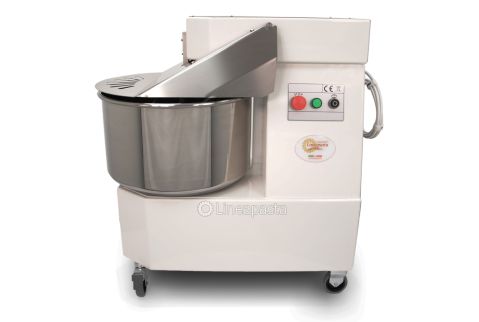
Spiral mixers are designed to work with highly hydrated dough or dough that requires vigorous mixing (such as brioche dough or large breads) using a fixed bowl and a spiral that "lifts" the dough from the edge. They offer efficient energy transfer and are robust for larger loads; these models can have stainless steel bowls with variable capacities (e.g., 17–25 kg or more), bowl guards, and transmissions designed to limit noise and maintenance.
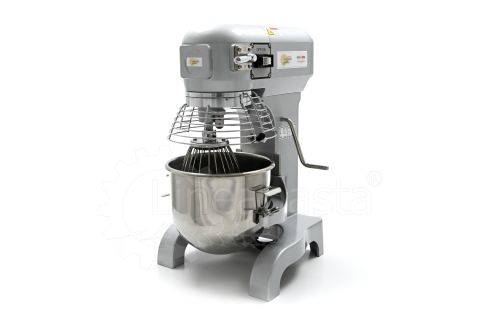
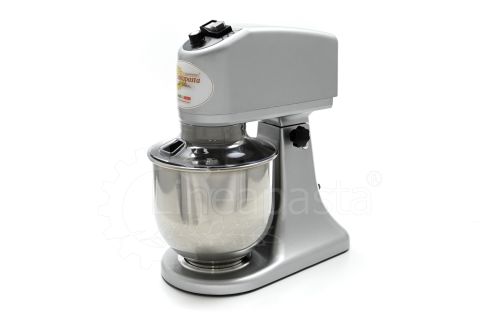
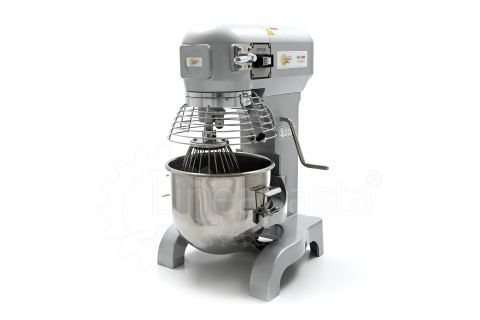
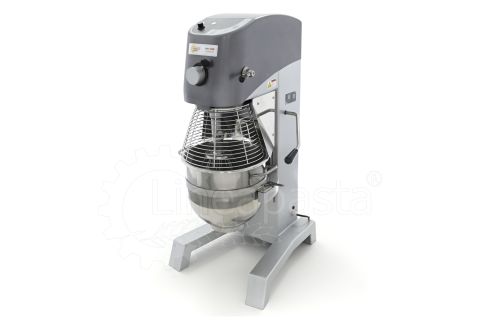
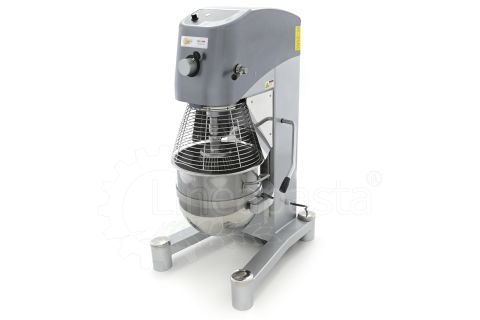
Planetary mixers, on the other hand, are more versatile for small and medium batches: the "planetary" motion of the whisk/hook/spiral allows for more delicate work (whipping, mixing, kneading with interchangeable tools) and is ideal when recipe flexibility is required and multiple accessories.
When choosing, bowl capacity, speed range, materials, ease of cleaning, and safety devices are key factors.
Cookie machines and dosers - production of shapes and fillings
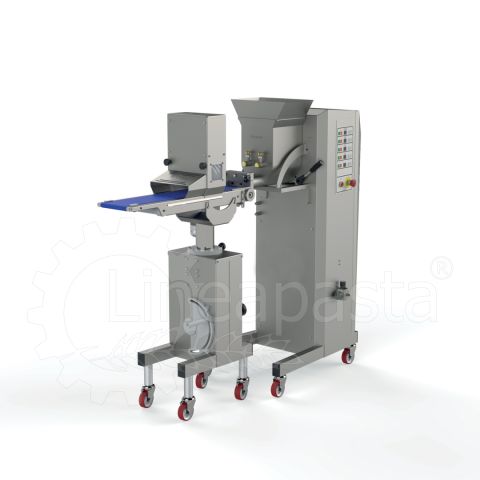
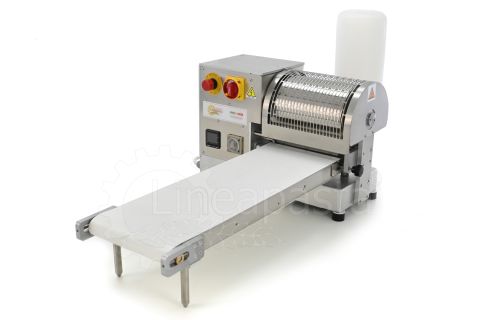
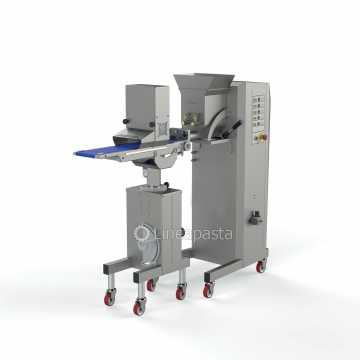
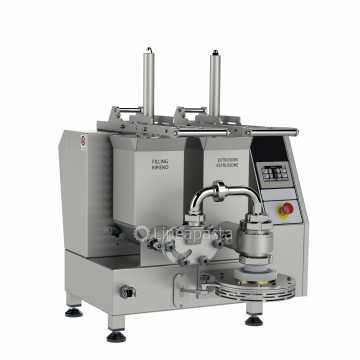
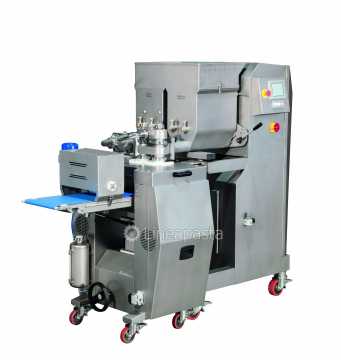
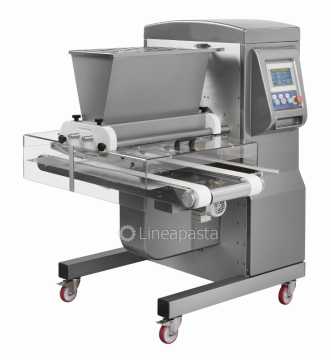
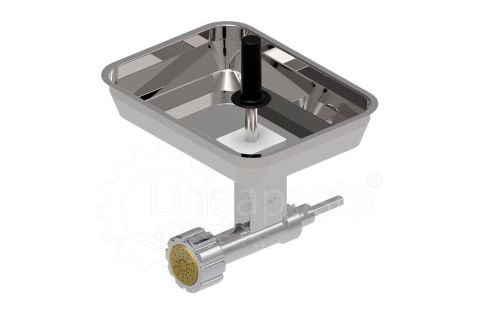
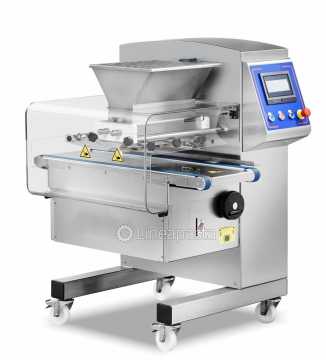
The industrial or semi-professional production of cookies, bars, and portioned products often relies on dosers and pump heads that dispense single- or two-color dough, with or without fillings. Cookie machines allow for repeatable shapes (bars, filled biscuits), while pump-head droppers are suitable for liquid or semi-liquid dough - macarons, cream puffs, éclairs, filled cream puffs - and allow for precise and fast dispensing onto a conveyor belt or tray. The machines can be equipped with touch panels and controls to adjust speed, quantity, and intervals, and are constructed of stainless steel for easy cleaning and compliance with food safety regulations. For those who want to vary formats and recipes, these machines make it possible to quickly switch from one product to another with simple settings.
Crêpes machines - Consistent and uniform cooking
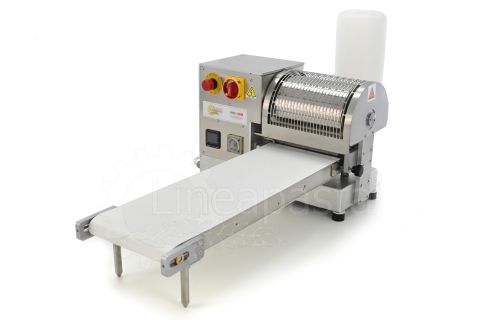
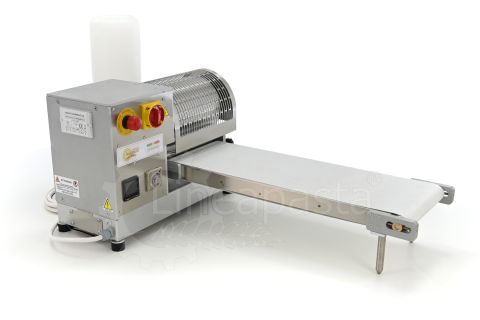
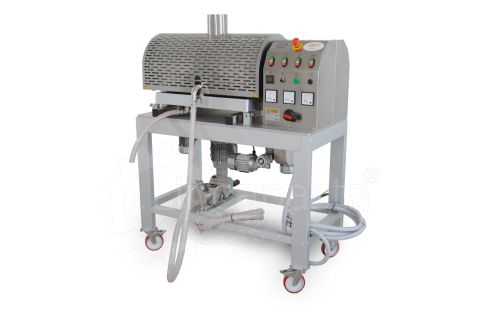
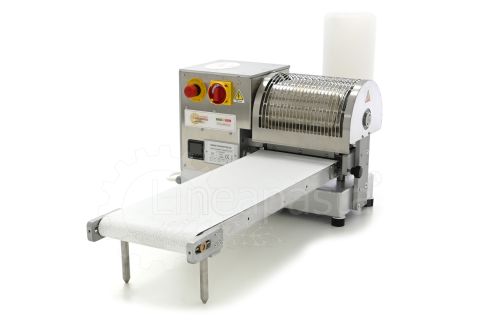
Automatic crêpe makers are designed to mass-produce batter discs of consistent diameter and thickness, with round or rectangular versions depending on the application (fast food, catering, industrial production of filling bases). These machines manage roller temperature and cooking time, and often include steam extraction hoods. They allow for the use of different flours and a variety of recipes (sweet, savory, whole wheat) while maintaining consistent performance. For businesses that serve crêpes continuously or that need to prepare bases in advance, they represent a solution that reduces the dependence on manual labor.
Practical considerations for purchase and use
A business that decides to invest in pastry equipment must evaluate several factors: expected production capacity, space and layout of the facility, ease of cleaning and compliance with food regulations, availability of spare parts and technical support, electricity consumption, and routine maintenance. It's often best to start with modular and scalable equipment (a versatile planetary mixer, a compact dough sheeter) and then move to larger machines when demand dictates. Operator training is also crucial: many machines have settings that require experience to optimize yield, temperature, and dough consistency.
Spiral and planetary mixers can produce brioche, panettone in artisanal batches, cream puffs, and shortcrust pastry bases; dough sheeters produce laminated puff pastry for millefeuille, vol-au-vents, and strudels; dough droppers allow the mechanical production of cookies, bars, macarons, and portioned products; crêpe makers are used for dessert bases or savory preparations in restaurants. In all cases, the choice of stainless steel, electronic controls, and certified components is crucial to ensuring the hygiene and durability of the machinery.
In short, pastry making today is a field where craftsmanship and innovation coexist without clashing: artisanal know-how continues to give character to recipes, while technology allows ideas and intuitions to be transformed into stable, clean, and reliable production. What emerges from observing the range of available tools is a sort of "ecosystem" in which each piece of equipment contributes to making the work more fluid and precise, leaving professionals free to focus on the creative side. Whether creating traditional desserts or modern products, the goal is always the same: to achieve results that appeal to the palate and the eye, while maintaining efficiency, order, and operational continuity. It is in this balance, more than in any secret recipe, that the true strength of contemporary pastry making lies.
Reviews