





 Italiano
 Français
 Español
 Deutsch
 AUD
AUD  BRL
BRL  CAD
CAD  CHF
CHF  CNY
CNY  GBP
GBP  INR
INR  JPY
JPY  KRW
KRW  RUB
RUB  THB
THB  USD
USD 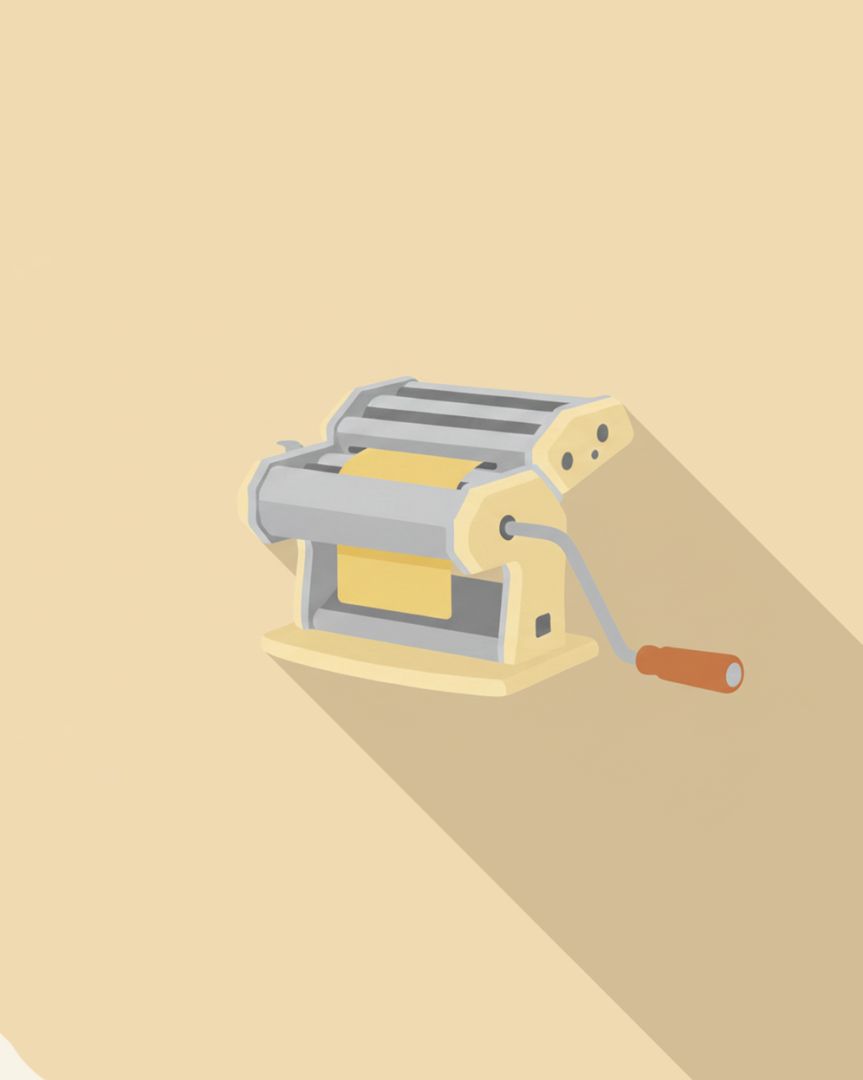
Pasta sheeters

Pasta sheeters: the complete guide
Pasta sheeters are machines designed to transform a dough made from flour, eggs, and/or water into a thin, even sheet of pasta, ready to be made into tagliatelle, lasagna, ravioli, or other pasta shapes. While the idea seems simple, the world of pasta sheeters is vast and varies dramatically depending on the environment in which they are used: from manual kitchen models to the massive automatic machines used in pasta factories.
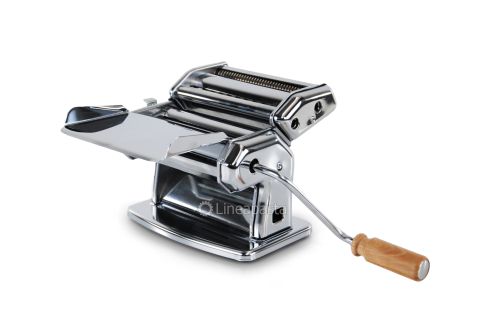
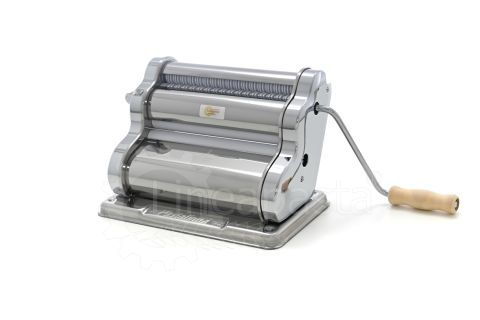
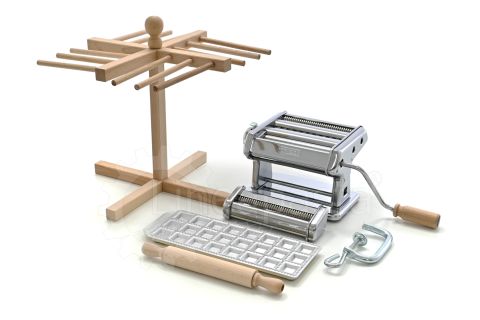
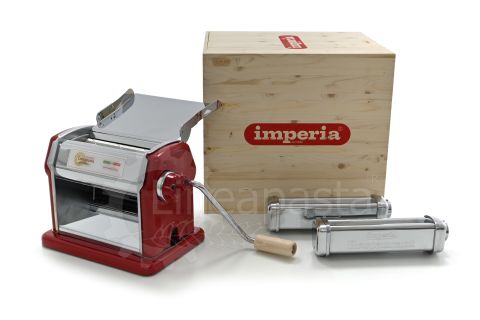
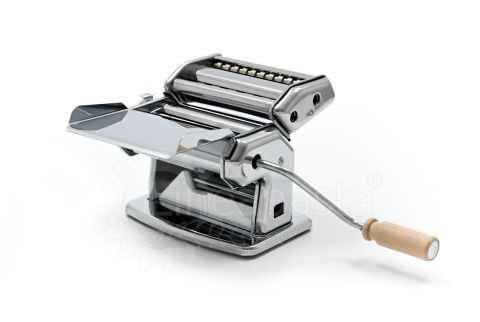
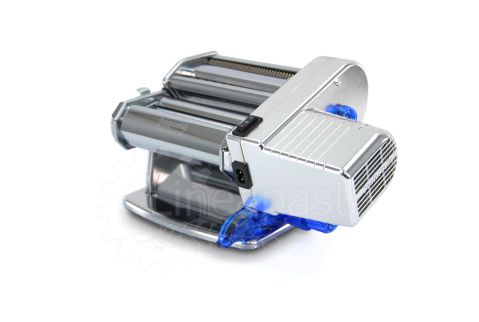
Manual pasta sheeters are the most popular among homemade pasta enthusiasts. They are generally made of metal, clamped to the worktop, and equipped with two smooth or rough rollers that are moved by a crank. A knob allows you to adjust the thickness of the sheet by gradually tightening the dough until it reaches the desired thickness. Operation is simple but requires a little dexterity: the dough is flattened by hand, inserted between the wider rollers, folded, and passed through several times until a smooth consistency is achieved. Then, the thickness is reduced gradually with each pass. Once finished, the dough can be cut with built-in or add-on accessories.
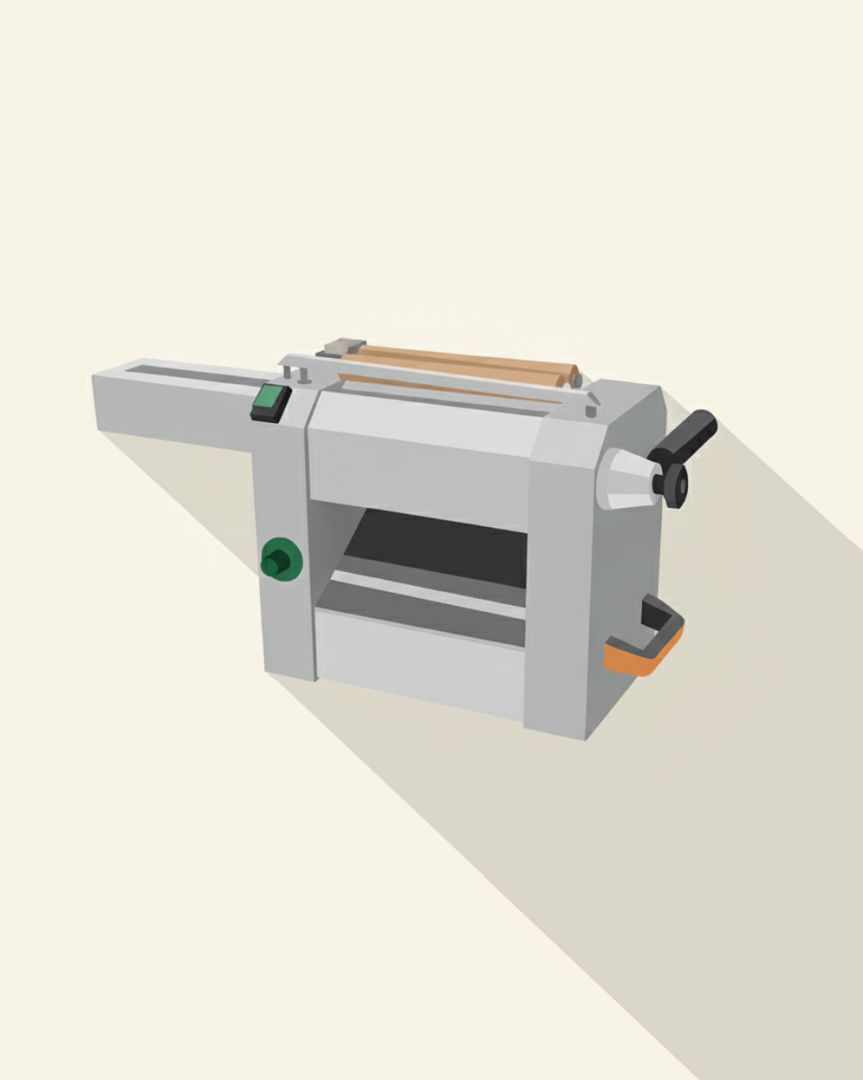
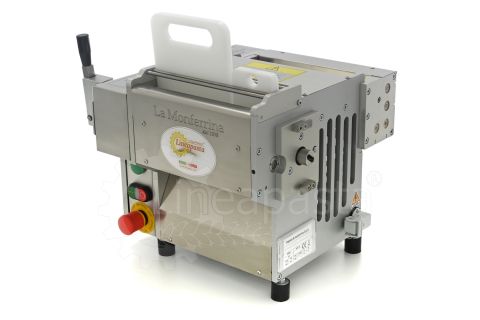
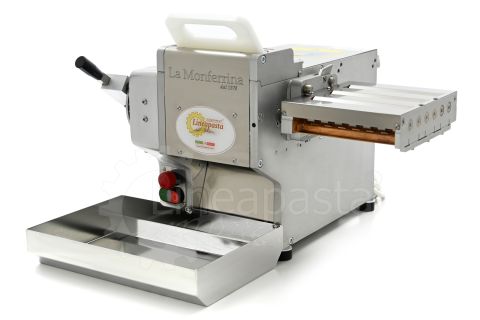
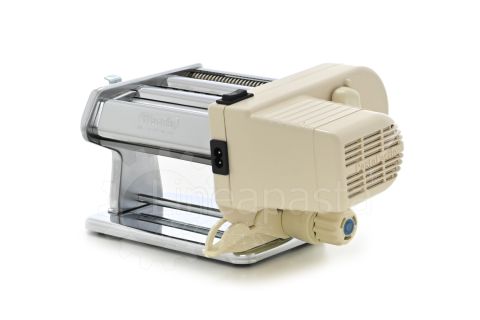
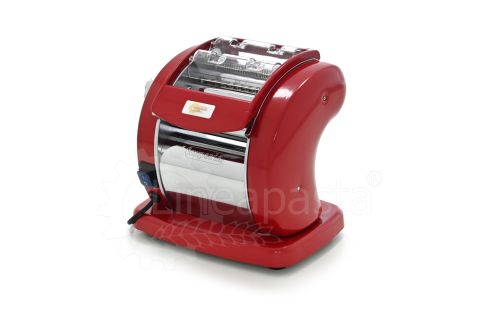
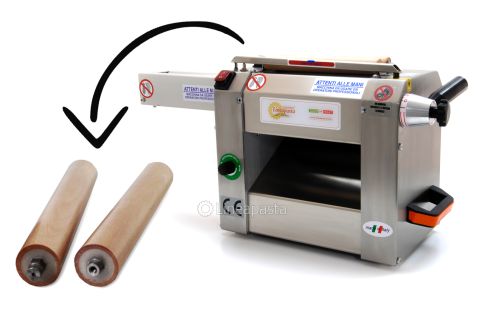
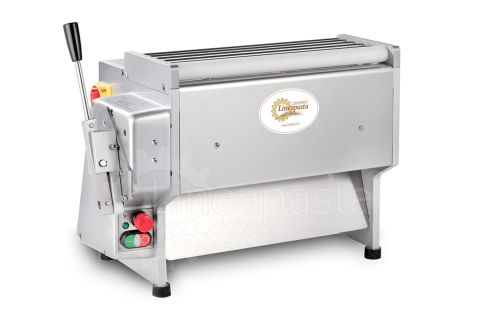
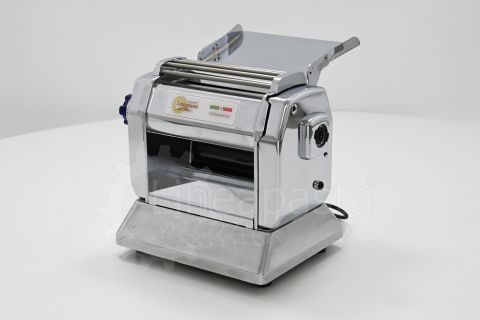
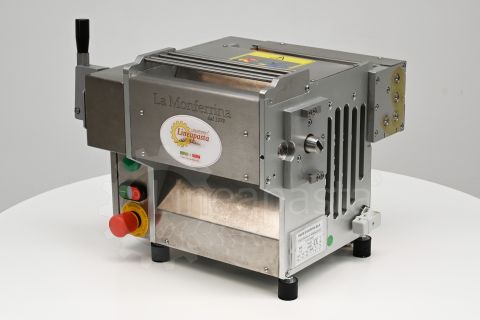
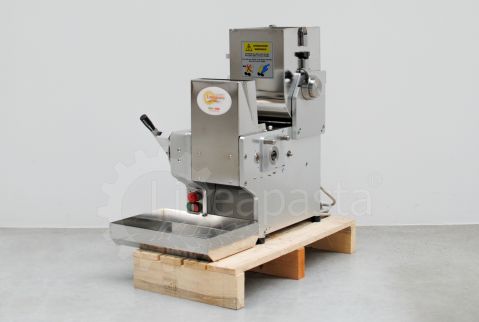
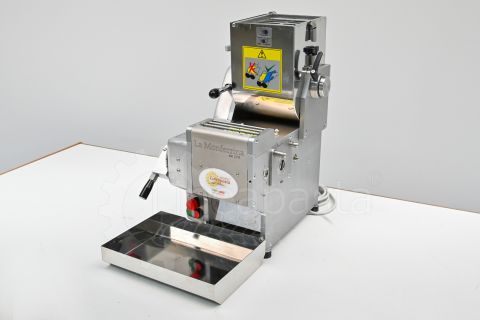
Electric pasta sheeters work similarly but are equipped with a motor that turns the rollers automatically. This allows you to process more dough in less time and with less effort, maintaining a constant speed and producing a more uniform dough. They are highly popular in delicatessens, artisanal workshops, and restaurants, where production is a daily occurrence. There are compact countertop models, similar to manual ones but with a built-in motor, and more robust versions with a stainless steel frame, safety guards, and larger rollers, capable of producing dough sheets 30, 40, or even 50 centimeters wide.
A variant of electric pasta sheeters is the electronic pasta sheeter, equipped with a variable speed drive to adjust the rotation speed of the rollers to your liking.
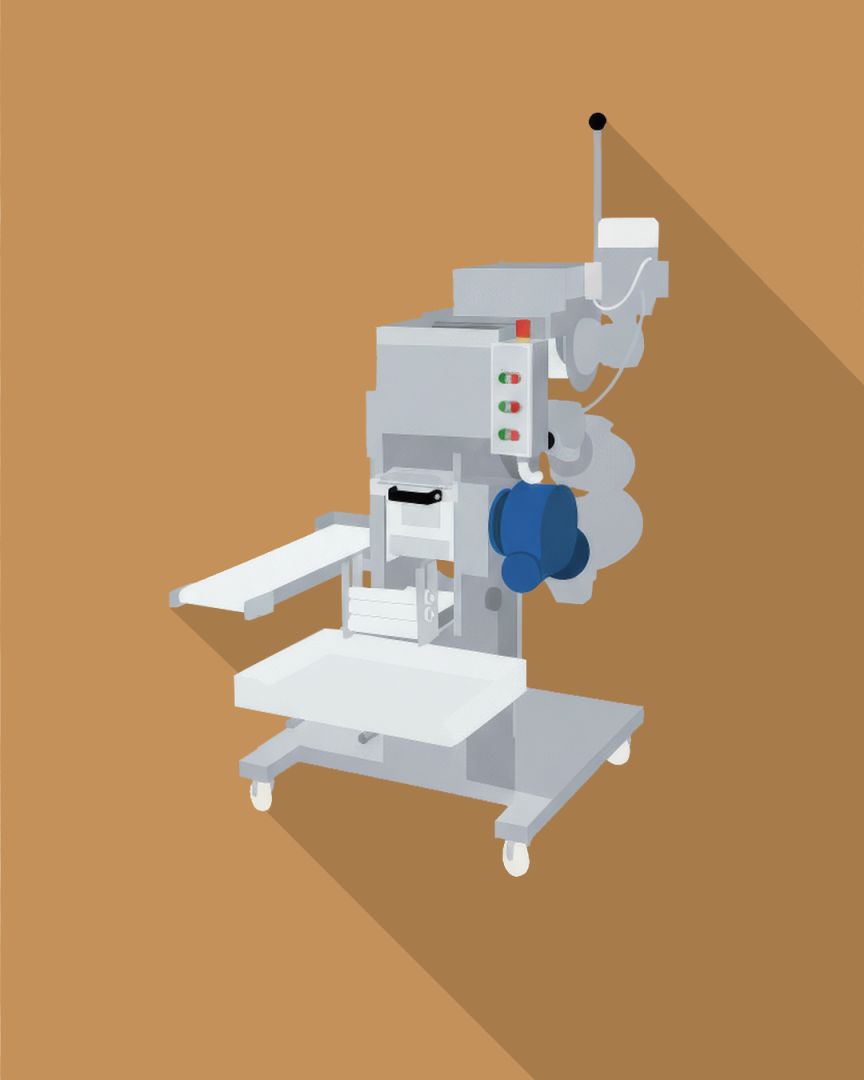
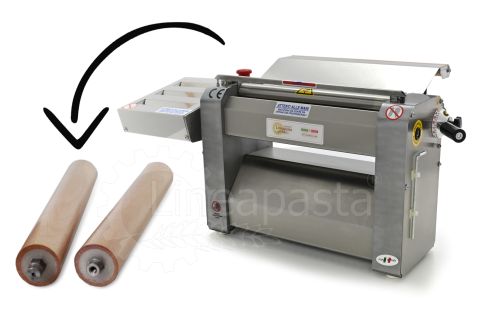
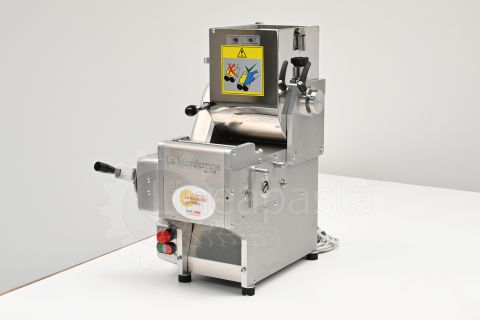
Automatic pasta sheeters are among the most high-performance and technologically advanced dough sheeters used in pasta factories. On these machines, the dough is fed automatically and can be continuously fed. At the bottom of the vat of an automatic pasta sheeter, there's usually a trapdoor that opens once the dough is ready, allowing it to pass through the mixers and finally be rolled out. The most fully equipped models feature conveyor belts, electronic panels for thickness control, variable speed drives, safety sensors, and, in the most advanced models, recipe storage. They're often directly connected to tortellini machines, single-sheet ravioli machines, multiple sizers, and cutters to ensure a complete and uninterrupted production cycle.
Differences between manual and electric pasta sheeters
The basic structure of the machine is similar, but in manual versions, everything depends on the user's strength: the pasta sheet advances solely by turning the crank. In electric pasta sheeters, the thrust is constant and provided by a motor, allowing for greater precision, speed, and uniformity of thickness. Manual pasta sheeters are lighter, cheaper, and require no electricity, while electric pasta sheeters are more expensive, take up more space, and require a power source. In terms of use, a manual pasta maker requires more work but also provides direct control over the dough; an electric one reduces effort and increases production.
Proper use of the pasta sheeter
Before using any pasta sheeter, it's essential to prepare the right dough: it must be compact, smooth, and neither too wet (because it could stick to the rollers) nor too dry (because it would break). It's helpful to let it rest covered with plastic wrap or a cloth to relax the gluten and make it more elastic. Then, set the pasta sheeter to its maximum thickness and insert a portion of dough, lightly pressing it with your hands. The dough should be folded and reinserted several times until it becomes smooth. By gradually reducing the thickness, you obtain the final sheet, which can be cut or used for filled pasta shapes. In electric models, simply start the motor: the rollers drag the dough automatically. In automatic industrial machines, the dough, usually floury, is automatically produced in the mixing vat, which pours the dough into the rollers and continues to produce continuous sheets of pasta.
Cleaning and maintenance
Cleaning varies greatly depending on the model. With manual pasta sheeters, simply let any dough residue dry and remove it with a brush or dry cloth. Avoid using water on non-stainless steel metal components or gears, as it can cause rust. With electric or professional models the machine must be unplugged before working on it; some components can be disassembled for more thorough cleaning, and in some professional machines, it's recommended to lubricate the gears with cooking oil. It's important to store the pasta sheeter in a dry, covered place, avoiding humid environments.
What to consider before purchasing
The choice depends on the intended use. For occasional home use, a manual pasta sheeter is more practical. For those who produce pasta frequently or for businesses such as delicatessens and restaurants, an electric pasta sheeter offers greater speed and continuity. In laboratories or pasta factories, automatic pasta sheeters, integrated with other machinery, are preferred. In addition to the operating system, it's helpful to consider roller width, frame material, stability, minimum achievable thickness, ease of cleaning, and the presence of accessories for cutting or connecting ravioli machine.
Lineapasta answers: frequently asked questions
What is the difference between smooth and rough rollers?
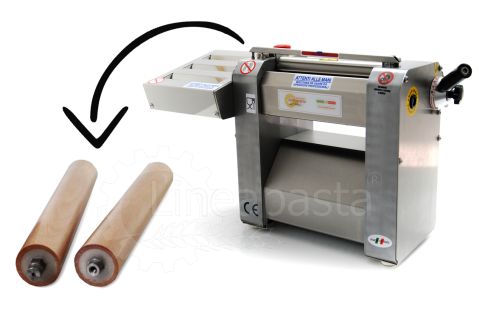
Smooth rollers create a uniform and compact sheet of pasta. Rough rollers, on the other hand, have a slightly rough surface texture: this allows them to better hold sauces and gives the pasta a "rough-to-the-touch" consistency, similar to that achieved with bronze dies.
Are there pasta sheeters that can process puff pastry or cake dough?
Some professional pasta sheeters are designed not only for fresh pasta, but also for doughs such as puff pastry, brisée, or shortcrust pastry. In these cases, the rollers must have a large diameter and be extremely precisely adjusted to prevent the layers of butter or fat from breaking and compromising the layering.
What are the most common mistakes made by first-time pasta roller users?
One of the most common mistakes is certainly inserting too large a portion of dough into the rollers and not flouring it lightly. Immediately switching to a thinner setting, skipping intermediate settings, or rolling the dough several times without letting it rest are also very common mistakes, as is forgetting to clean off any flour or dough residue immediately after use. Failure to properly clean the rollers at the end of the work cycle can cause blockages or damage.
How much does the rotation speed of the rollers affect dough production?
Too high a speed can cause tearing and deformation of the dough. Professional electric models allow for speed adjustment to suit the type of dough. Pasta factories offer dough sheeters with inverters that electronically adjust the speed to achieve gradual and controlled rolling.
How much does ambient temperature affect dough processing?
Excessively high temperatures cause the dough to dry out quickly, causing cracks or breaks during rolling. Conversely, a cold environment stiffens the dough and makes it less elastic. The ideal working temperature is between 18°C and 24°C, with a controlled humidity of around 50–60%.
Can manual sheeters be converted to electric ones?
Some home models have motors that can be used to replace the crank, but few dough sheeters are designed for this purpose.
Can detergents be used to clean the rollers?
It is generally not recommended to use water or detergents to clean rollers, especially chrome-plated ones. Rollers should be cleaned with brushes, plastic spatulas, or dry cloths. Only models made entirely of food-grade stainless steel can be cleaned with slightly damp cloths, provided they are dried immediately.
What is the average lifespan of a pasta roller, and what does it depend on?
A well-maintained home pasta roller, used occasionally, can last over 20 years. Professional versions, subjected to intensive use, last approximately 5–15 years depending on the materials and maintenance. Key factors include: the quality of the bearings, the sturdiness of the structure, periodic lubrication of the mechanical parts, and regular cleaning.
Reviews